


Designing a Web3 Wallet Experience with Web2 Fintech UX
My Role
Product Designer
Objective
To simplify core crypto actions by applying familiar Web2 fintech patterns and reducing cognitive load in high-risk interactions
What this is
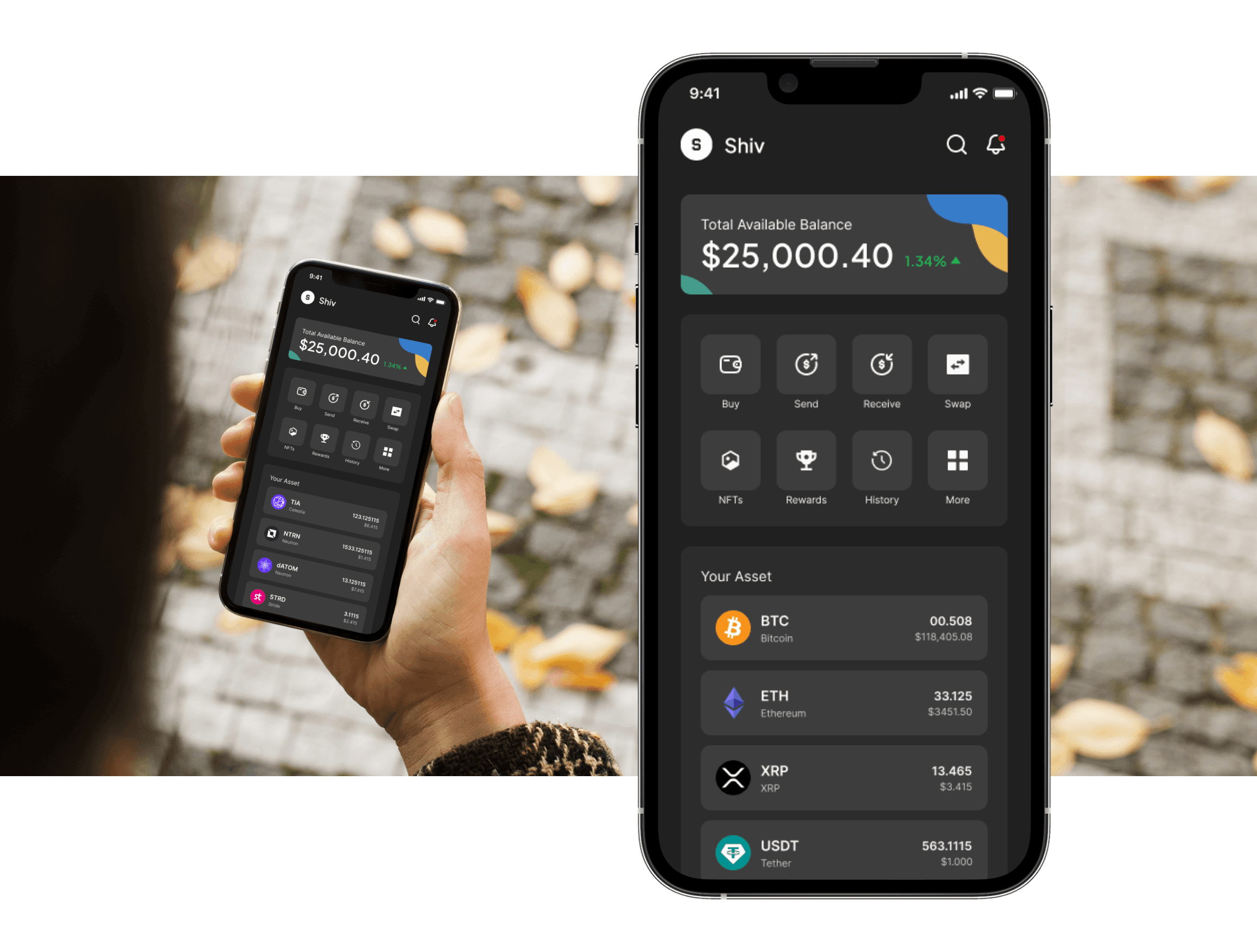
A conceptual redesign of a multi-chain Web3 wallet focused on the three most critical user actions: buy, send, and swap. The experience rethinks how users interact with crypto by replacing technical complexity with familiar, intuitive flows
Outcome
A more predictable and trustworthy wallet experience where users can purchase assets, transfer funds, and swap tokens with clarity and confidence, without needing deep knowledge of blockchain mechanics
Background
I’ve explored multiple Web3 wallets, and like most users entering crypto, the experience often feels fragmented and intimidating.
Core actions like buying, sending, or swapping assets are technically available, but the way they are presented makes them harder than they should be.
I can complete transactions. I can see balances. But I still have to figure things out myself.
What exactly will I receive after this swap?
Why is the final amount different from what I entered?
What network or fee am I paying for?
None of these are explained clearly.
The system executes actions, but doesn’t build understanding or confidence.
Who this is for
Web3 wallets today are built for users who already understand how crypto works networks, gas fees, slippage, approvals.
But a growing set of users come from Web2 fintech experiences, where actions are:
Predictable
Transparent
Guided
For them, the issue isn’t access it’s clarity.
The gap isn’t functionality. It’s how that functionality is communicated.
The Gap
Most wallets already support everything a user needs:
Buying assets with fiat
Sending tokens across wallets
Swapping between tokens
…but the experience:
Exposes technical details without context
Breaks flows across multiple steps and confirmations
Lacks clear previews of outcomes
As a result, users hesitate, double-check, or drop off.
It behaves like a tool for executing transactions, not a system that helps users feel confident while doing them.
Solution
The core idea was to shift from execution-first flows to clarity-first interactions. Instead of forcing users to understand crypto mechanics, the system surfaces key information upfront, so users can act with confidence, not assumption.
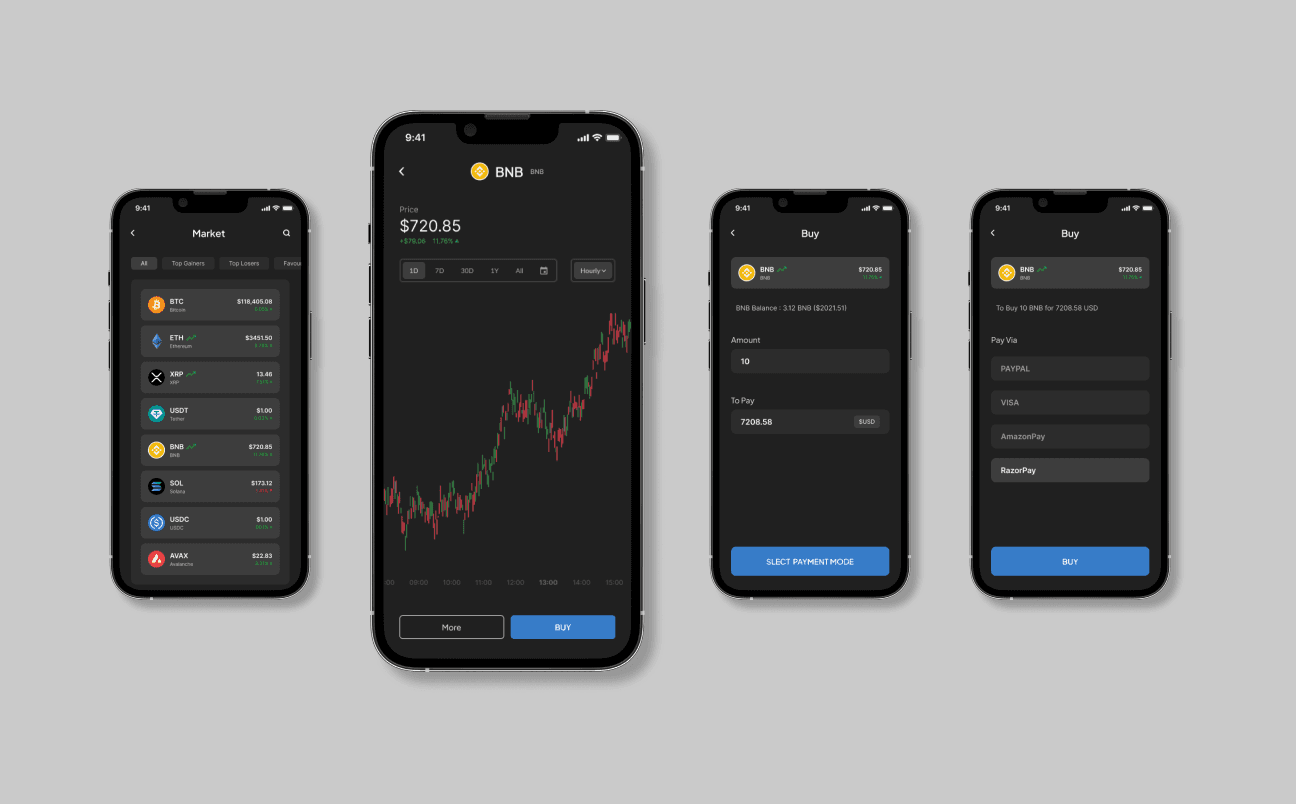
Buy Crypto
Most users don’t want to understand crypto mechanics—they want a clear answer to
“How much will I get, and what will it cost me?”
The buying experience is redesigned to remove decision friction and surface clarity upfront
Real-time conversion from fiat → crypto
Upfront fee visibility (no hidden costs later)
Clear final amount before confirmation
Buy Crypto Flow
This leads to a purchase layer that:
Eliminates uncertainty before confirmation
Reduces cognitive load during decision-making
Builds trust through transparency in pricing
The system moves from “calculate yourself” → “know before you act.”
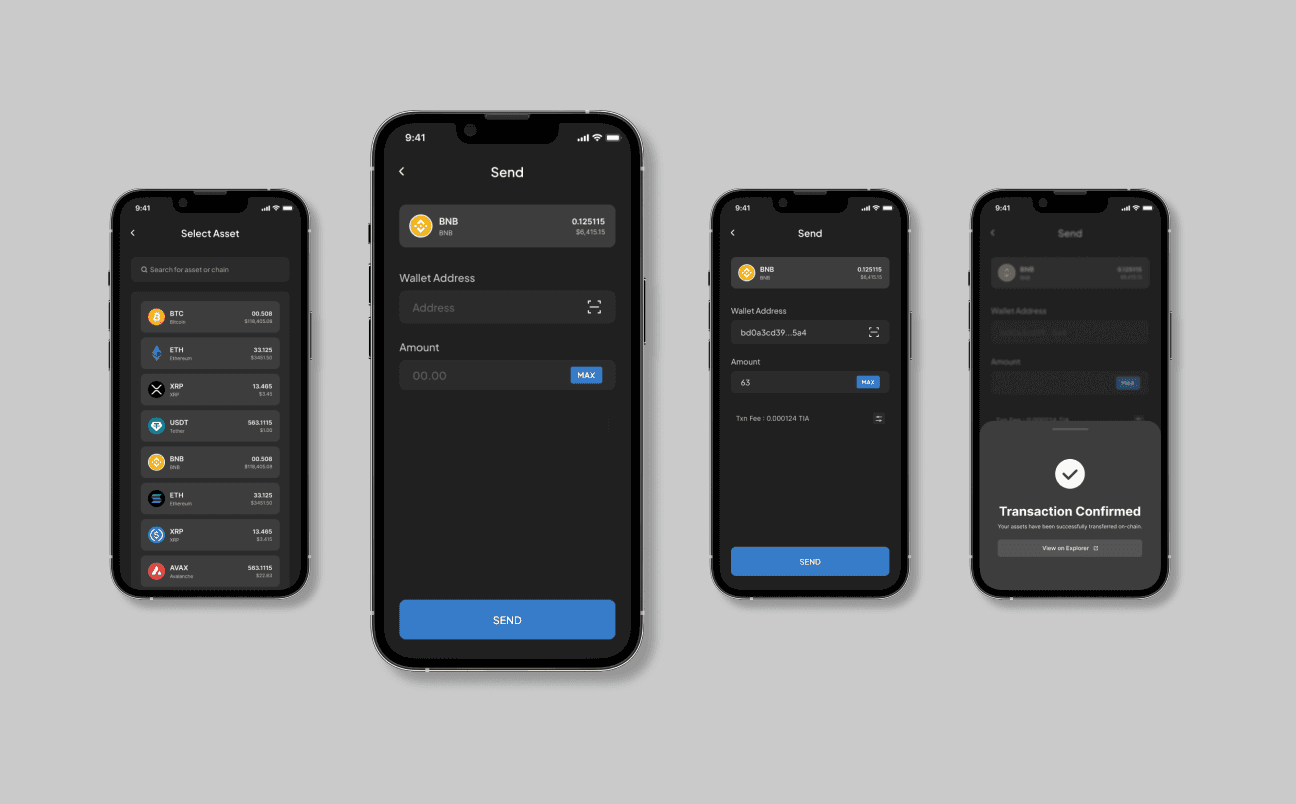
Sending crypto today is error-prone and anxiety-inducing, users fear losing funds due to small mistakes. They want reassurance that “this is going to the right person, on the right network.”
The sending experience is redesigned to reduce risk and increase confidence at every step
Human-readable identities (names over wallet addresses)
Network auto-detection and validation
Clear confirmation states before sending
Send Crypto Flow
This leads to a transfer layer that:
Minimizes chances of irreversible errors
Reduces reliance on manual verification
Builds confidence through guided interactions
The system moves from “double-check everything” → “send with confidence.”
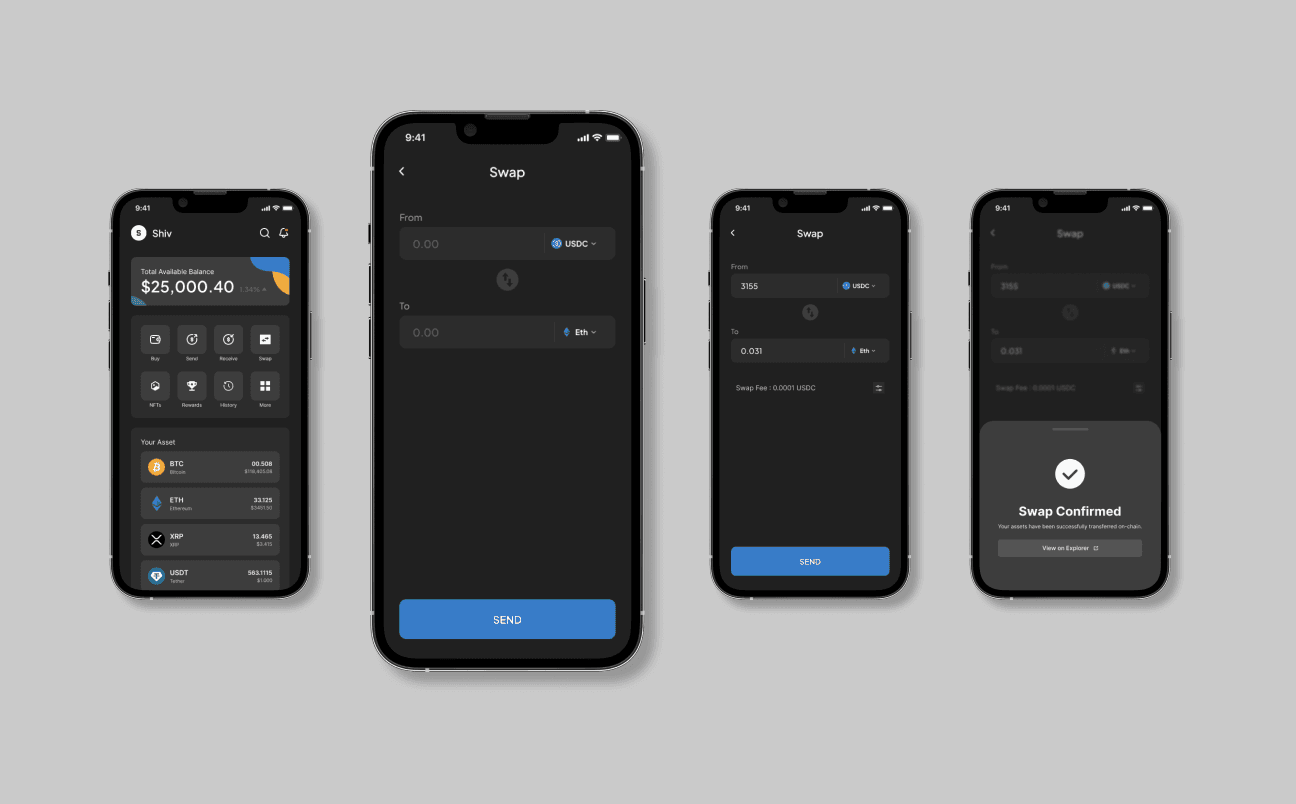
Swapping assets often feels opaque, users don’t understand rates, fees, or what they’ll receive.
They want clarity on “what am I getting in return, and is this a fair trade?”
The swapping experience is redesigned to make value exchange transparent and predictable
Real-time exchange rates with clear comparisons
Upfront breakdown of fees and slippage
Final receivable amount shown before execution
Swap Crypto Flow
This leads to a swapping layer that:
Makes value exchange understandable at a glance
Reduces uncertainty around pricing and outcomes
Enables faster, more confident decision-making
The system moves from “hope this is right” → “know what you’ll get.”
This system can evolve beyond simplifying transactions into building financial confidence in Web3.
By leveraging behavior and context, the wallet can move from being a tool for actions to a system that guides decisions over time.
This opens up opportunities to:
Provide smart nudges based on user activity (e.g. timing, frequency, patterns)
Surface risk signals before critical actions (network mismatch, volatile swaps, high fees)
Enable portfolio-level insights across chains and assets
Introduce automation layers (recurring buys, smart routing, optimized swaps)
At a broader level, this approach can extend into trust infrastructure for Web3, where users don’t just execute transactions, but understand, trust, and control them.